History
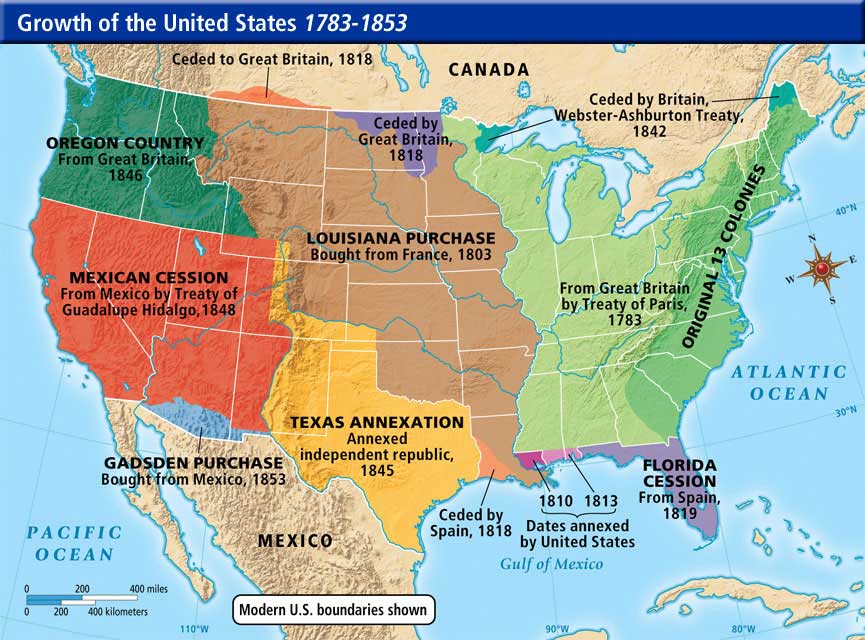
In 1821, Mexico won independence from Spain. The new nation stretched as far north as Oregon Territory, land that included Tohono O’odham land. The political redrawing of Tohono O’odham land began in 1848 with the Treaty of Guadalupe Hidalgo and the 1953 Gadsden Purchase between the U.S. and Mexico, when Arizona became a state. The Gadsden Purchase divided the Tohono O’odham’s land base and allowed American settlers homestead rights to all of it.1Tohono O’odham Nation. “History & Culture,” Tohono O’odham Nation, 2016, http://www.tonation-nsn.gov/history-culture/. Still, the creation of this political border did not heavily impact the Tohono O’odham until physical barriers were erected and Border Patrol power expanded in the 1950s, 1990s, and during the War on Terror.2“Border Patrol History,” U.S. Customs and Border Protection, accessed August 11, 2020, https://www.cbp.gov/border-security/along-us-borders/history.
Wall Development Before the Trump Presidency
The border wall has gained more visibility during Trump’s presidency, but his administration did not start the construction of the border wall. Back in 2005, during the height of the War on Terror, Congress under the Bush administration passed the Real ID Act. While mostly pertaining to forms of identification for air travel, this act also contains a rider that gives the head of the Department of Homeland Security the ability to waive any law to build the border wall between the United States and Mexico.3Douglas Main, “Sacred Arizona spring drying up as border wall construction continues,” National Geographic online, July 20, 2020, https://www.nationalgeographic.com/science/2020/07/quitobaquito-springs-arizona-drying-up-border-wall/#close. So, when construction across Tohono O’odham lands began, Border Control and contractors were not required to adhere to the Native American Graves Protection and Repatriation Act (NAGPRA), the sacred site executive memorandum, the Endangered Species Act, the National Historic Preservation Act, the Archeological Resources Protection Act, or the National Environmental Policy Act (NEPA) – among others. The rider was included in order to fast-track the border wall.4“Rider waives NAGPRA, sacred site protections,” Indianz.com, October 26, 2004, https://www.indianz.com/News/2004/004968.asp. These acts are all commonly employed by Native nations to protect sacred sites and land rights, and this 2004 rider rendered those avenues for protection moot.
Wall Development During the Trump Presidency
The power granted to the Department of Homeland Security by the Real ID Act was only used a few times since 2005 until Donald Trump took office in 2017. On January 22, 2018, Secretary of Homeland Security Kirstjen Nielsen waived 20 laws including he Endangered Species Act, the National Environmental Policy Act, the American Indian Religious Freedom Act, and the Antiquities Act to build new border walls in New Mexico.5Jimmy Tobias, “The little-known law that the Trump administration is using to build a border wall,” Pacific Standard online, January 21, 2019, https://psmag.com/environment/the-little-known-law-that-the-trump-administration-is-using-to-build-a-border-wall.
Effects of Increased Border Patrol Presence and Wall Construction
Before the new wave of border wall construction, Tohono O’odham members could cross back and forth without having to go through a port of entry. Now these crossings have been restricted by cartel activity, Border Patrol locking them, and issues with non-Tohono O’odham private property owners. Now, crossings take longer due to border checks and tribal members cannot move freely on their own lands to visit relatives. Additionally, Tohono O’odham leaders also said that Border Patrol agents have torn down ranch fencing, have scared away big game with their constant presence, continually confront tribal members for hunting game or harvesting saguaros, and have the Tohono O’odham under constant surveillance. However, tribal leaders agree that while they might not be completely pro-Border Patrol, they have to work together to keep the O’odham safe.6Perla Trevizo, “Beyond the Wall: Border fence cuts Tohono O’odham Nation in half,” Arizona Daily Star, February 17, 2017, https://tucson.com/special-section/beyond-the-wall/beyond-the-wall-border-fence-cuts-tohono-oodham-nation-in-half/article_775236c6-39a4-11e6-b708-6789aff41a1e.html.
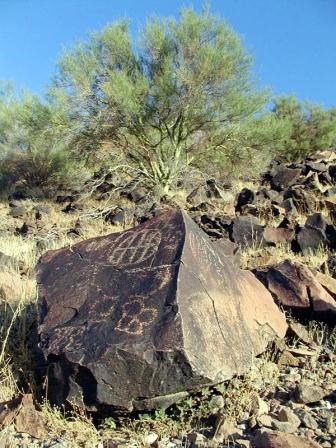
In February 2020, new border wall construction blasts renewed border wall opposition. The contractor blasted through Monument Hill at Organ Pipe Cactus National Monument, a site that the O’odham people consider sacred. The new construction area is a 60-foot long swath of federal land along the border that has been in the clearing process since August 2019. The Tohono O’odham’s historic preservation officer said about Monument Hill:
This hill, from the information we’ve been able to gather, was used by the Hia-C’ed O’odham for religious ceremonies… This is also a place, when the Apache were raiding out here, if the Apache warrior was killed, his body was placed on this hill.
Peter Steere8Rafael Carranza, “Sacred Native American site in Arizona blasted for border wall construction,” Arizona Republic, USA Today online, February 9, 2020, https://www.usatoday.com/story/news/nation/2020/02/07/tohono-oodham-sacred-site-monument-hill-blasted-border-wall/4698174002/.
Steere also said that bone fragments have been found at Monument Hill and the Tohono O’odham Nation has documented the importance of the site from tribal elders. The nation asked Border Patrol and the contractors to stop work at the site in meetings between Tohono O’odham Nation leaders and Customs and Border Protection, but these requests have not had any impact. The nation has also asked Border Patrol to create a 2-mile buffer zone around Quitobaquito Springs and Monument Hill where there would be no wall and instead would be supplemented with additional technology.9Rafael Carranza, “Sacred Native American site in Arizona blasted for border wall construction,” Arizona Republic, USA Today online, February 9, 2020, https://www.usatoday.com/story/news/nation/2020/02/07/tohono-oodham-sacred-site-monument-hill-blasted-border-wall/4698174002/.
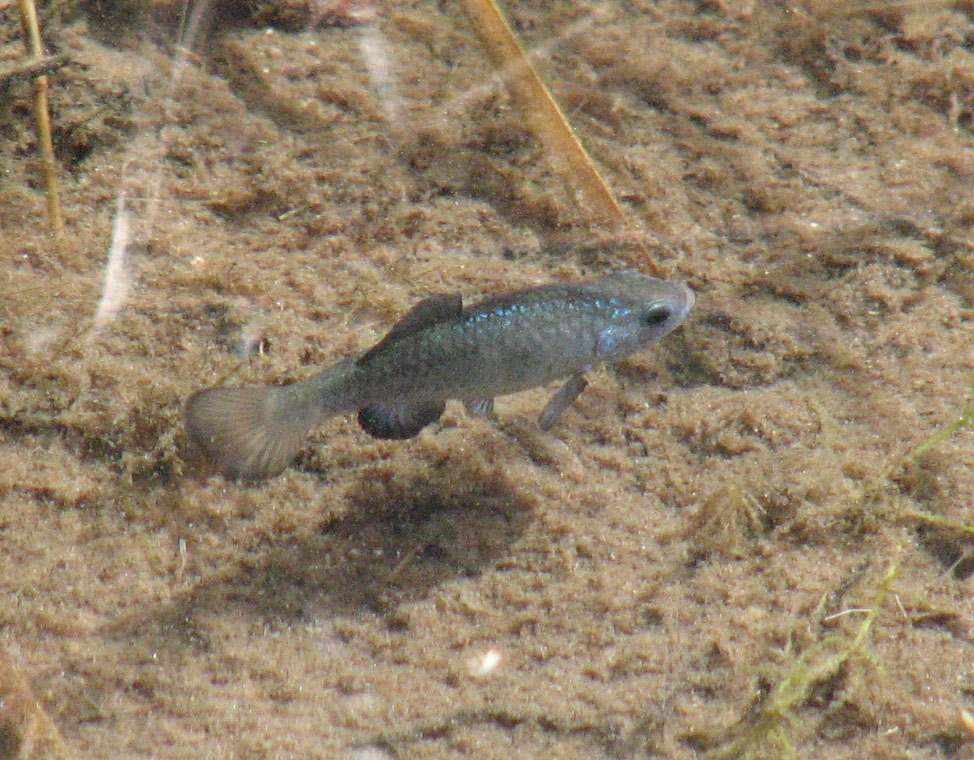
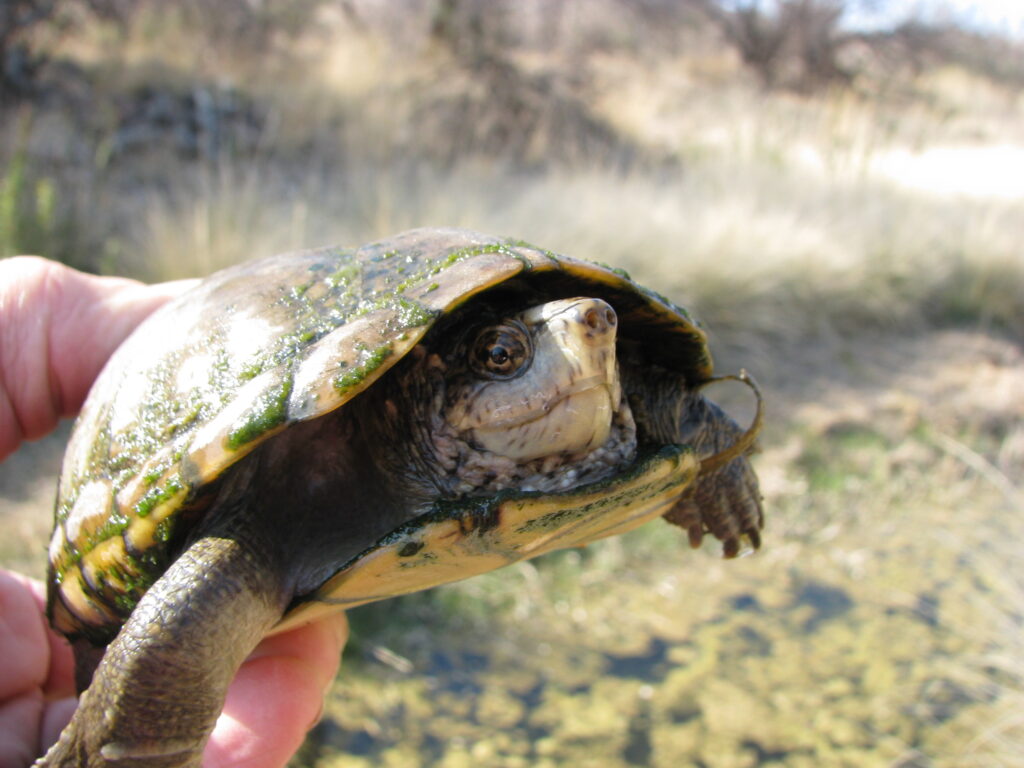
Border wall construction has hindered Tohono O’odham travel, the exercise of the nation’s sovereignty, and cultural practices. It has also directly threatened and harmed the non-human environment. Quitobaquito Springs, a sacred ancestral place for the O’odham and home to two endangered species found nowhere else in the U.S. – the Sonoyta pupfish and the Sonoran mud turtle, is at its lowest water level in over ten years.10Douglas Main, “Sacred Arizona spring drying up as border wall construction continues,” National Geographic online, July 20, 2020, https://www.nationalgeographic.com/science/2020/07/quitobaquito-springs-arizona-drying-up-border-wall/#close.
The Springs’ water level dropped 30% between March 2020 and July 2020. It is located 200 feet from the border, and many worry that contractors withdrawing groundwater to make concrete for the border wall will dry up the spring. As of summer 2020, National Park Service work to discern the true cause of the water level fluctuation has been delayed due to COVID-19.11Douglas Main, “Sacred Arizona spring drying up as border wall construction continues,” National Geographic online, July 20, 2020, https://www.nationalgeographic.com/science/2020/07/quitobaquito-springs-arizona-drying-up-border-wall/#close.
Border Patrol has stated that the agency “does not calculate the amount of water usage per mile of construction,” adding to concerns that the agency will deplete the sacred and environmentally vital Quitobaquito Springs. Currently, the National Park Service is working with Border Patrol on “short-term strategies to maintain habitat and survival for the Quitobaquito pupfish and Sonoyta mud turtles” as well as long-term alternatives that include input from the public and nearby Native nations.12Douglas Main, “Sacred Arizona spring drying up as border wall construction continues,” National Geographic online, July 20, 2020, https://www.nationalgeographic.com/science/2020/07/quitobaquito-springs-arizona-drying-up-border-wall/#close.