
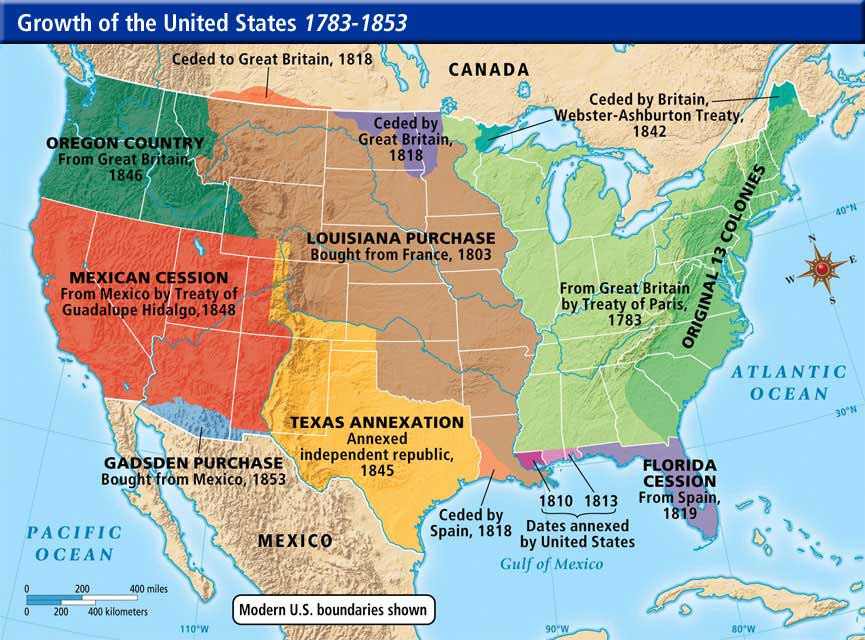
The conflict over Baboquivari Peak’s ownership began in 1853 with the Treaty of Guadalupe Hidalgo and the Gadsden Purchase, when Arizona became a state. The Treaty of Guadalupe Hidalgo divided the Tohono O’odham’s land base and allowed American settlers homestead rights to all of it.1Tohono O’odham Nation. “History & Culture,” Tohono O’odham Nation, 2016, http://www.tonation-nsn.gov/history-culture/. Eventually, in 1912, a study was undertaken to identify the boundaries of the Tohono O’odham’s reservation. It stated that the peak was absolutely necessary for the Tohono O’odham to “continue as a self-supporting race,” based largely on the belief that the creator god continues to reside there. This reservation plan was rejected due to homesteader complaints. A reservation with new borders was created in 1916 and contained only part of Baboquivari Peak. In 1990, the eastern side of the peak was included in an Arizona Desert Wilderness preserve under the Bureau of Land Management’s control.2Edward D. Manuel, “letter to the editor,” Mailbag: Tucson Weekly (Tuscon, AZ), November 12, 1998, https://www.tucsonweekly.com/tw/11-12-98/mailbag.htm.
In 1998, the Tohono O’odham community attempted to have the entirety of the peak returned to their custody, in conjunction with Arizona legislator, Ed Pastor. Pastor sponsored a bill called the Tohono O’odham Religious Area Restoration Act, which would have made Baboquivari Peak and its surrounding area part of the Tohono O’odham reservation. The bill was considered by a sub-committee but was never voted on.3“Tohono O’odham Religious Area Restoration Act,” H.R.4119, 105th Cong. (October 6, 1998), https://www.congress.gov/bill/105th-congress/house-bill/4119/text.
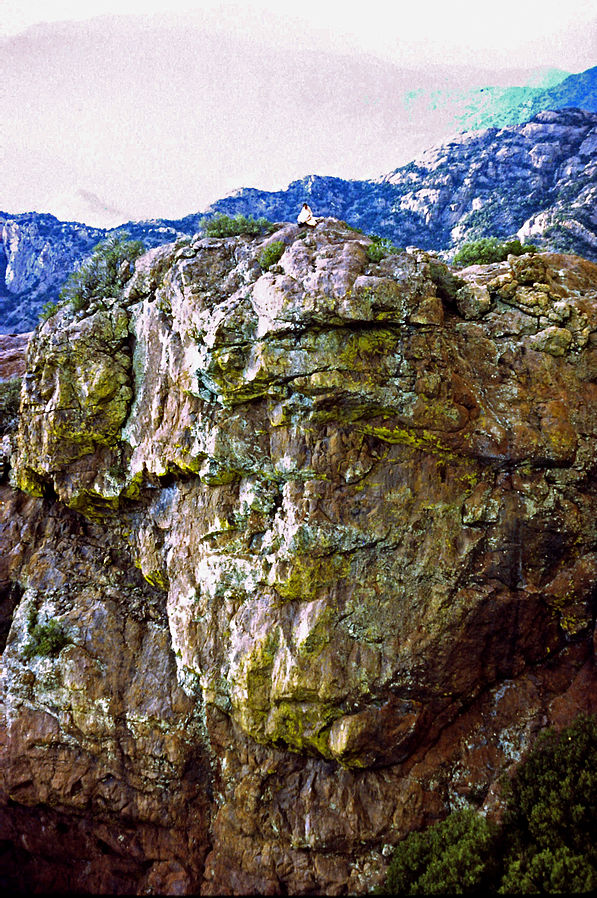
Some of the parties who opposed this bill expressed concern that the Tohono O’odham would severely limit access to the peak for recreational purposes and ban climbing. Others had environmental concerns, stating that the land protected by the Tohono O’odham would be in greater danger of mismanagement than if it were protected by the BLM. Still others believed that the policy set forth by the bill was too vague, claiming that although the O’odham might have been understood to be obliged to follow the same environmental protection guidelines as the BLM, no specific guidelines stating this were set forth in the bill. These parties often pointed to the poor environmental conditions of current reservation land, much of which has been overgrazed. And finally, many expressed uncertainty about the intentions of the Tohono O’odham’s plans for the mountain; a Tucson Weekly column asked, “How long before we’re treated to the Desert Diamond Baboquivari Casino?”4“The Skinny,” Tucson Weekly (Tuscon, AZ), October 15, 1998, https://www.tucsonweekly.com/tw/10-15-98/skinny.htm.
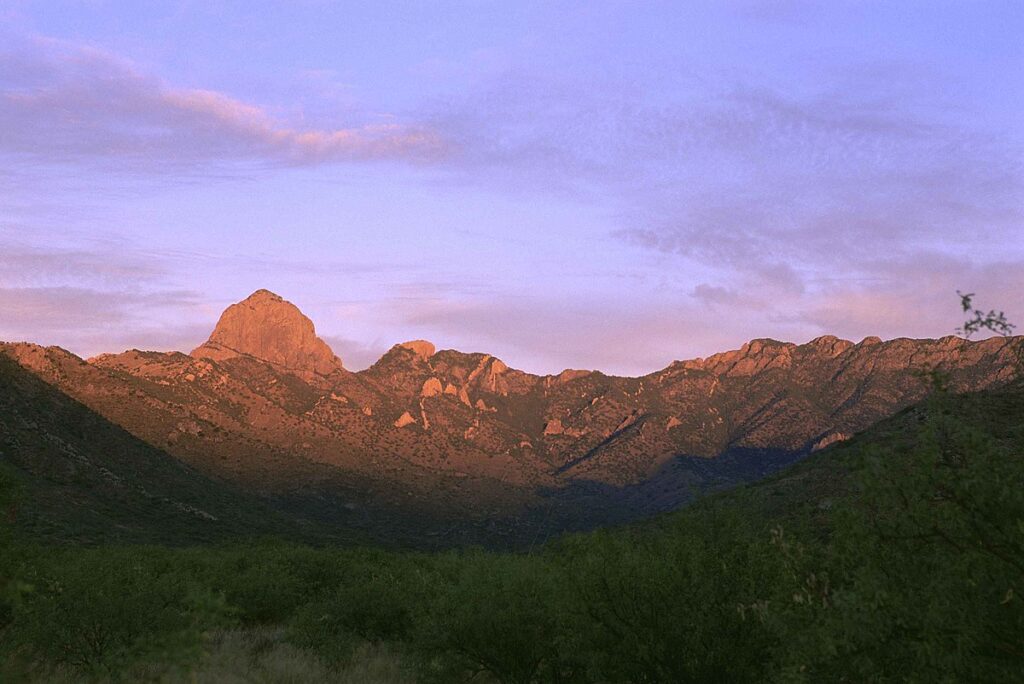
The Tohono O’odham Nation has no interest in a casino on or near Baboquivari.
Unlike the BLM, the Tohono O’odham Nation has a stronger interest in and ability for managing the eastern portion of Baboquivari… Not only do we have comprehensive environmental plans, standards and laws, but Tohono O’odham have the only historical, traditional and cultural interest in Baboquivari’s environmental preservation and protection.
Tribal Chairman Edward Manuel5Edward D. Manuel, “letter to the editor,” Mailbag: Tucson Weekly (Tuscon, AZ), November 12, 1998, https://www.tucsonweekly.com/tw/11-12-98/mailbag.htm.
Cooperation between the Tohono O’odham and the BLM has taken consultation into account but not consent. The October 2012 wilderness management plan states that the Bureau of Land Management “will use the NEPA process and consult with the Tohono O’odham Nation on a case-by-case basis for commercial rock climbing SRP application in Baboquivari Peak Wilderness.” Some organizations invested in Baboquivari worried that these provisions for consulting with the Tohono O’odham Nation would mean “de facto prohibition” on specific activities.7U.S. Department of the Interior, Bureau of Land Management, Final Baboquivari Peak Wilderness and Coyote Mountains Wilderness: Wilderness Management Plan, Environmental Assessment, and Decision Record, (Arizona, October 2012), 38, http://wildsonora.com/sites/default/files/reports/baboquivari-peak-wilderness-coyote-mountains-wilderness-wilderness-management-plan.pdf.
However, in response to comments from the Gila River Indian Community (one of the four O’odham groups formed when the US government broke up O’odham land) in this same management plan, the BLM stressed the Wilderness Act of 1964 which authorized recreational use of the wilderness as long as its “wilderness character” was preserved.8U.S. Department of the Interior, Bureau of Land Management, Final Baboquivari Peak Wilderness and Coyote Mountains Wilderness: Wilderness Management Plan, Environmental Assessment, and Decision Record, (Arizona, October 2012), 54, http://wildsonora.com/sites/default/files/reports/baboquivari-peak-wilderness-coyote-mountains-wilderness-wilderness-management-plan.pdf. So although there are provisions for consultation, whatever comments local Native peoples may have can be easily pushed aside as there is no provision for consent.
