
The petroglyphs carved into the soft sandstone, among the oldest northern Plains Indian petroglyphs still in existence, the tipi rings, the springs, caves, and the burial sites scattered throughout the Cave Hills, all of which are regarded as sacred — attest to their presence and reverence for the place. The Standing Rock Sioux Tribe, Lower Brule Sioux Tribe, Rosebud Sioux Tribe, and Cheyenne River Sioux Tribe all asserted the sacredness of the North Cave Hills and the surrounding series of buttes and mesas. The Standing Rock Sioux Tribe stated the connectedness of the buttes with their creation story and oral histories. The Rosebud Sioux Tribe explained in their resolution that the caves in the North and South Cave Hills are connected underground to Wind Cave in the southern Black Hills, where the Lakota believe they were born on Earth.
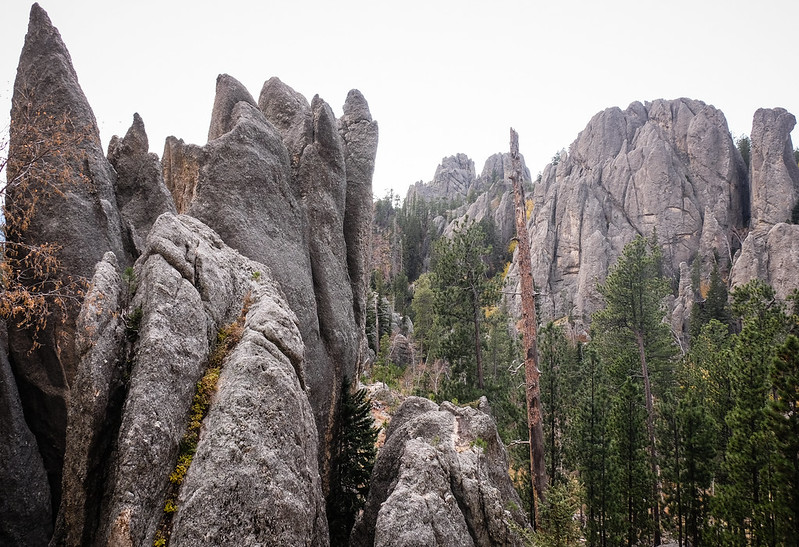
The North Cave Hills and the surrounding buttes are also known to have been important eagle trapping sites, a highly ritualized and sanctified practice for the Mandan, Arikara, Hidatsa, and Lakota peoples. A Hidatsa eagle trapping lodge has been found in the North Cave Hills, and eagle trapping pits have been found in the nearby Slim Buttes.
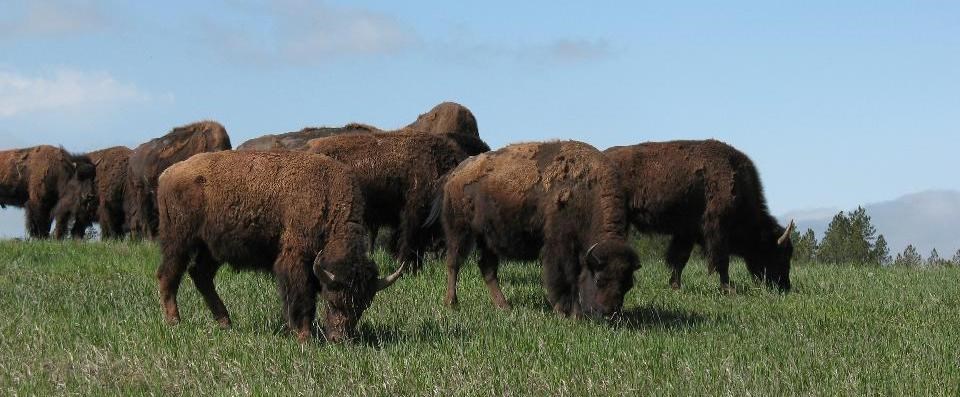
The Mandan, Hidatsa, and Arikara know the North Cave Hills as the Buffalo Home Buttes. This stems from a traditional belief that the spirits of buffalo inhabit the underground world and reemerge each spring to repopulate the plains. The Lakota are also known to share a similar belief, the Lakota emergence creation story, where people and buffalo first emerged on the earth from the caves. One cave in particular, Ludlow Cave, is known as a place where buffalo exit the Earth.
The name of this cave references a darker period in the history of the Northern Plains Tribes. General Armstrong Custer traveled past the Cave Hills during his 1874 expedition to the Black Hills. While he camped in the Cave Hills, Custer named a cave sacred to Natives peoples of the region after the engineer who accompanied his expedition, Colonel William Ludlow, and this cave is now inscribed with the names of white men who fought to oust Native peoples from their ancestral land. Goose, the Lakota-Arikara scout that accompanied Custer described the cave as a place where “Indians at one time were wont to congregate for the purpose of holding intercourse with the Great Spirit.” The end result of Custer’s 1874 Expedition was the Lakota’s infamous loss of the sacred Black Hills because of the gold he found there.
