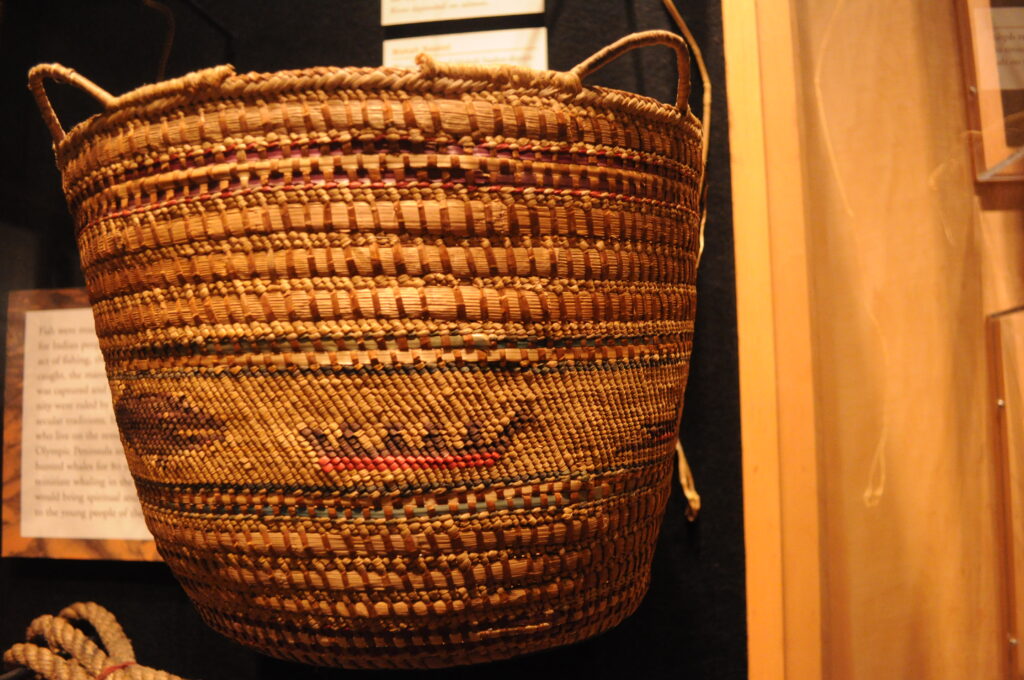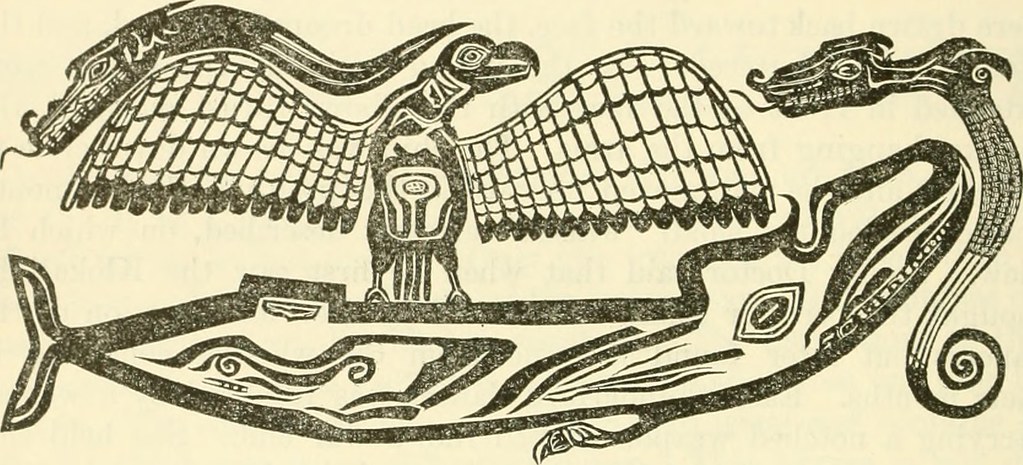
For the Makah, whaling is significant in many ways at once. Whale meat is physically sustentative for the Makah; one whale can feed an entire village, not only for one community-wide feast or potlatch but for many weeks. Furthermore, the Makah use the oil for burning, bone for tools and carving, sinew and gut for storage. The practice of hunting, slaughtering, and preparing whales for these purposes are also spiritually sustaining. Whalers prepare for years before a hunt, ensuring that they are physically and spiritually purified. The fasting, training, bathing, and prayer involved in this preparation have been carried on even in recent years, embodying a traditional continuity between the past and present.1Charlotte Coté, Spirits of our Whaling Ancestors: Revitalizing Makah and Nuu-chah-nulth Traditions, (Seattle: University of Washington Press, 2010).
Prayer, ritual, and ceremony are central to the practice of whaling. The Makah website states:
To get ready for the hunt, whalers went off by themselves to pray, fast and bathe ceremonially. Each man had his own place, followed his own ritual, and sought his own power. Weeks or months went into this special preparation beginning in winter and whalers devoted their whole lives to spiritual readiness.
Makah Nation3“The Makah Whaling Tradition,” Makah Tribal Info, Makah Nation, accessed July 29, 2020, https://makah.com/makah-tribal-info/whaling/.
Charlotte Coté (Nuu-chah-nulth) writes that Makah and Nuu-chah-nulth whaling served a social function by bringing together the community over the hunt and in the distribution of the whale parts. This way, every member of the nation had a part in the whale hunt.4Charlotte Coté, Spirits of our Whaling Ancestors: Revitalizing Makah and Nuu-chah-nulth Traditions, (Seattle: University of Washington Press, 2010), 39. This social cohesion factor of whaling became abundantly clear in the resurgence of whaling at the end of the 20th century.